
Filter by
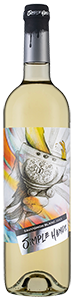
 BulgariaSauvignon Blanc£10.99 per bottle(£14.65 per litre)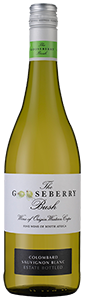
 South AfricaColombard-based blend£10.99 per bottle(£14.65 per litre)
 AustraliaViognier£10.99 per bottle(£14.65 per litre)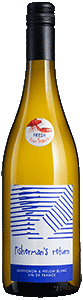
 FranceWhite blend£10.99 per bottle(£14.65 per litre)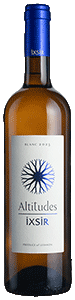
 LebanonObeidy-based blend£10.99 per bottle(£14.65 per litre)
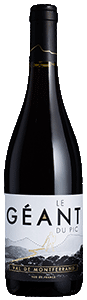 FranceSyrah-based blend£10.99 per bottle(£14.65 per litre)
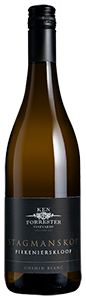 South AfricaChenin Blanc£10.99 per bottle(£14.65 per litre)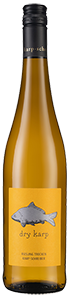
 GermanyRiesling£10.99 per bottle(£14.65 per litre)
 FranceGrenache-based blend£10.99 per bottle(£14.65 per litre)
 FranceGrenache-based blend£10.99 per bottle(£14.65 per litre)
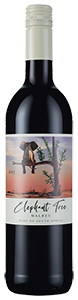 South AfricaMalbec-based blend£10.99 per bottle(£14.65 per litre)
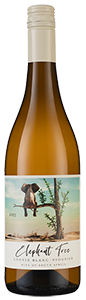 South AfricaWhite blend£10.99 per bottle(£14.65 per litre)
 AustraliaSauvignon Blanc£10.99 per bottle(£14.65 per litre)
 SpainGarnacha-based blend£10.99 per bottle(£14.65 per litre)
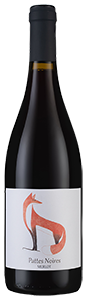 FranceMerlot£10.99 per bottle(£14.65 per litre)
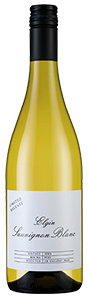 South AfricaSauvignon Blanc£10.99 per bottle(£14.65 per litre)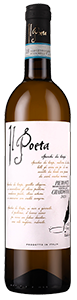
 ItalyChardonnay£10.99 per bottle(£14.65 per litre)
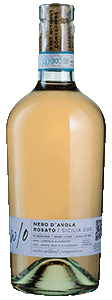 ItalyNero d'Avola£10.99 per bottle(£14.65 per litre)
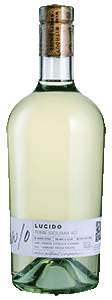 ItalyLucido£10.99 per bottle(£14.65 per litre)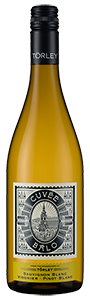
 HungarySauvignon-based blend£10.99 per bottle(£14.65 per litre)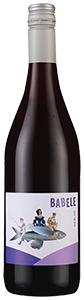
 RomaniaMerlot£10.99 per bottle(£14.65 per litre)
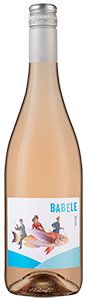 RomaniaRosé blend£10.99 per bottle(£14.65 per litre)
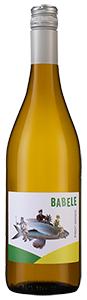 RomaniaPinot Grigio£10.99 per bottle(£14.65 per litre)
 AustraliaPinot Grigio£10.99 per bottle(£14.65 per litre)
We stop at nothing to bring you great wine
Wine is in our DNA: We’ve been a family wine merchant for 50 years, and work with family-owned wineries all over the world
We’re wine pioneers: We introduced UK wine fans to Marlborough Sauvignon, rich southern Italian reds and more.
Dependable Quality: We taste over 40,000 wines a year - and less than 2% make the grade.
100% Money-Back Guarantee: Love every drop or get your money back, no questions asked.