

Filter by
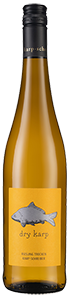
 GermanyRiesling£10.99 per bottle(£14.65 per litre)
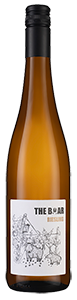 GermanyRiesling£10.99 per bottle(£14.65 per litre)
- Showing (1 to 2 of 2)
1
Page 1 of 1
Wine FAQs
What is German white wine?
With over 60% of its vineyards dedicated to white grape varieties, Germany is home to some knock-out white wines.
The most famous? That’ll be Riesling – which comes in a range of styles from dry to sweet – but other key varieties include Gewürztraminer and Müller-Thurgau.
German white wines are known for their defined, intense fruit flavours, high acidity and pronounced minerality, especially those from the steep, slate-rich vineyards along the Mosel river. The cooler climate of Germany results in a long, slow ripening period, which allows the grapes to develop complex flavours and aromas. The result is a range of white wines that offer something for every palate and occasion.
Want to learn more? Read our beginner's guide to German White Wine
What are the most popular German white wines?
From bright and crisp to fruity and rich, here are some of the most popular:
- Riesling – Considered the king of German wines, Riesling hails from several regions across the country, with Mosel, Rheingau, Pfalz and Nahe among the most renowned. Ranging from dry to sweet, German Riesling has a high acidity and intense green apple, citrus, peach and apricot aromas. When aged, Riesling develops mineral and petrol notes.
- Müller-Thurgau – Also known as Rivaner, this is the second most-planted grape in Germany. Wines from this variety tend to be lighter-bodied with apple and peach flavours, blossom aromas and lower acidity. They are typically enjoyed young.
- Gewürztraminer – Known for its lychee, rose petal and ginger spice aromas, Gewürztraminer from Germany is typically off-dry and full-bodied with low acidity.
- Grauburgunder (Pinot Gris) – Grauburgunder wines from Germany are typically full-bodied with moderate acidity, showcasing flavours of ripe apple, pear and tropical fruit. Some may be aged in oak to add complexity. Grauburgunder is also known as Pinot Gris in France.
- Silvaner – Predominantly grown in Franken, Silvaner produces full-bodied, subtly aromatic wines, often with herbal and stone fruit notes. They can be either dry or sweet and commonly have a characteristic minerality.
What are the main German white wine regions?
German white wines are produced in several key regions throughout the country, each with its unique characteristics:
- Mosel – This key wine region is located along the Mosel River in west Germany. Its cool climate and slate soils are perfect for creating aromatic, light-bodied Rieslings with high acidity and distinct minerality.
- Rheingau – Located on the Rhine river’s northern bank, this region is warmer than Mosel and is known for making fuller-bodied, complex and dry Rieslings and Müller-Thurgau wines.
- Pfalz – Situated in the south of Rheingau, Pfalz is one of the warmest and sunniest regions in Germany. It is known for creating a variety of white wines, including Rieslings on the fuller, fruitier side and easy-drinking Gewürztraminer.
- Baden – As the southernmost wine region in Germany, the Baden region has a warm, sunny climate and various soil types. It’s known for its dry white wines, specifically those made from the native Grauburgunder (Pinot Gris) grape and Gewürztraminer.
- Nahe – This small region is named after the Nahe River. Its diverse volcanic soils contribute to its well-balanced Rieslings. These premium Rieslings have a balanced blend of acidity, minerality and fruitiness.
What food pairs best with German white wine?
German white wines are revered for their precise balance of acidity and sweetness, making them incredibly versatile in food pairings.
They match deliciously with various dishes, from crisp salads and fresh seafood to heavier, richer foods such as roast pork or poultry.
With its complementary notes of green apple, citrus and stone fruit, Germany’s flagship white wine, Riesling, is the most versatile white wine. Drier styles of Riesling, with their brighter acidity and fruitiness, can balance the heat and intense flavours in spicy Asian dishes such as Thai green curry or Sizchuan pepper pork. A glass of sweeter Riesling goes beautifully with blue cheese and fruit-based desserts.
Gewürztraminer, with its floral and spice aromas, can pair well with pungent, soft cheeses such as Gorgonzola, aromatic Morrocan food or roasted meats.
Grauburgunder and Müller-Thurgau wines pair well with light dishes such as salads, seafood and mild cheeses.
How should you serve German white wine?
Most German white wines should be served chilled – typically between 7°C for sweeter and sparkling wines, and 10-13°C for drier and fuller-bodied wines. Temperature can significantly impact the flavours and aromas, so it’s crucial to get it right.
Use a white wine glass with a smaller mouth to preserve the wine’s temperature and direct the wine to the appropriate area of the tongue. For aromatic wines like Gewürztraminer or Riesling, a glass with a slightly wider bowl can help to capture and direct the bouquet.
German white wine does not typically need decanting. However, decanting older or more complex German whites, like an aged Riesling, can help to open up their flavours.
If you have leftover white wine, reseal the bottle tightly and store it upright in the refrigerator. It should retain its flavours and aromas for a few days.